



Large Batch of Hemodialysis Supplies to Be Covered by Health Insurance
Policy incentives continue to emerge, and the domestic hemodialysis market is accelerating its expansion.
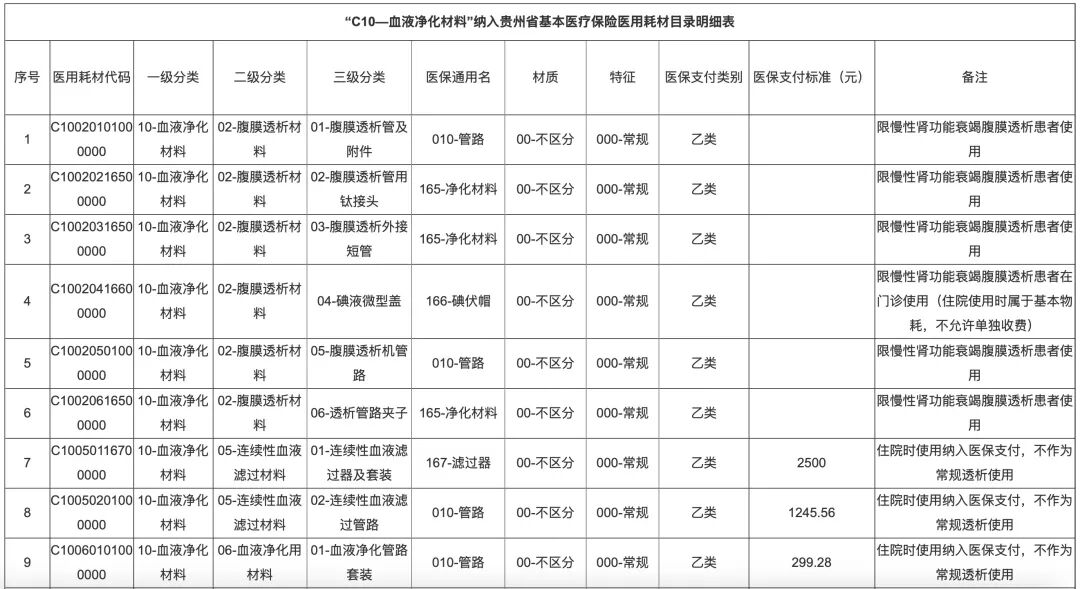
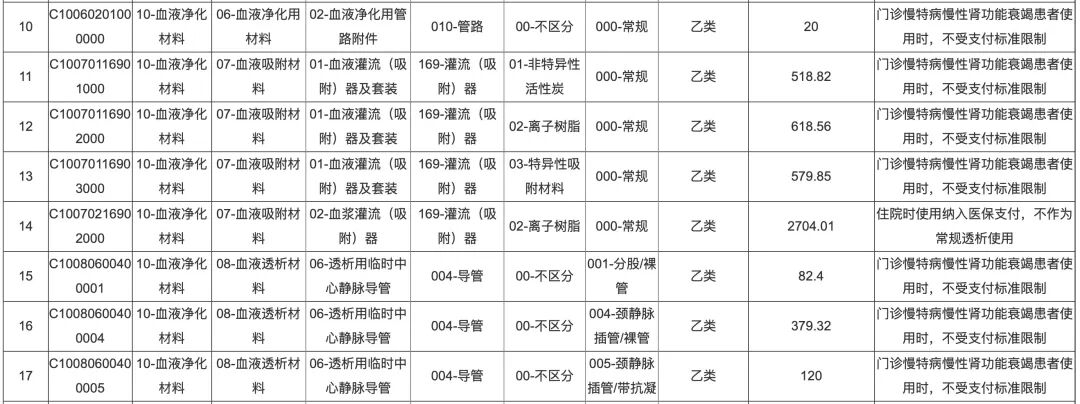
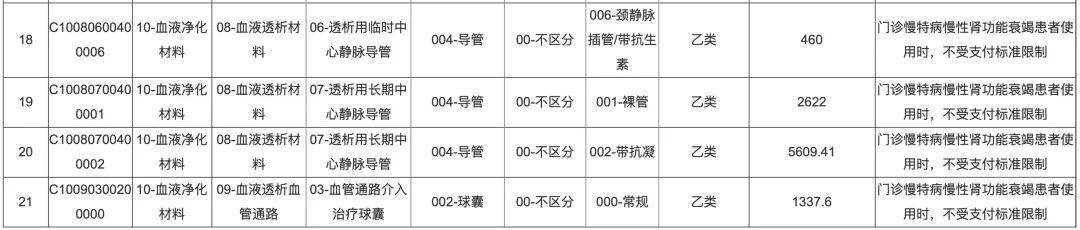
01 Guizhou New Policy:
Inclusion of blood purification consumables in the medical insurance catalog

02 Domestic Hemodialysis Market Boom
The potential for increased volume at the grassroots level is being rapidly unleashed.
The hemodialysis market is experiencing a full-scale explosion.
According to Frost & Sullivan, the total market size of hemodialysis medical devices in China is expected to reach RMB 4.839 billion by 2030. From 2026 to 2030, the compound annual growth rates (CAGRs) for hemodialysis machines, hemodialyzers, and hemodialysis tubing are projected to be 12.13%, 15.36%, and 17.39%, respectively.
The benefits of market expansion have already been validated in the financial reports of leading companies, particularly as the impact of volume-based procurement price cuts gradually dissipates, leading to a growing number of companies reporting simultaneous increases in both revenue and net profit.
Shanwai Shan's revenue in 2025 reached 807 million yuan, representing a year-on-year increase of 42.23%, with its net profit attributable to shareholders reaching 143 million yuan, a year-on-year increase of 101.89%; Sanxin Medical's revenue in 2025 was 1.64 billion yuan, a year-on-year increase of 9.31%; the net profit attributable to shareholders was 262 million yuan, a year-on-year increase of 15.43%.
Weigao Hemodialysis and Baolite have not yet released specific financial data, but from their performance forecasts and last year's financial reports, the former has continued its growth trend since listing, and has enhanced its competitiveness through a series of measures such as acquisitions. The latter, although still unable to escape from losses, has seen a reduction in the loss amount.
With the construction and standardization of the medical insurance directory, the expansion of the hemodialysis market will accelerate under the new payment background. Combined with its differentiated payment standard design, the treatment willingness of potential dialysis patients is expected to be activated.
According to Guoyuan Securities, in 2022, the number of end-stage renal disease patients in China exceeded 3 million, all of whom require long-term hemodialysis treatment. It is estimated that China would need 30,000 hemodialysis centers to meet the current patient demand. However, the actual number of hemodialysis centers in China is far from reaching the 30,000 capacity, indicating a significant potential for market development.
In addition to the extensive implementation of large-scale centralized procurement, hemodialysis equipment procurement programs have also been launched consecutively in recent years. Under the new pricing cycle, the grassroots market is becoming a key growth area for hemodialysis, and policy support for hemodialysis infrastructure development at the grassroots level has been steadily increasing year by year.
In the 2023 "Equipment Configuration Standards for County-level Comprehensive Hospitals," it is clearly stipulated that hemodialysis equipment has become a mandatory configuration requirement. According to measurements by Zhongcheng Shuke, the bidding market scale for blood dialysis equipment in county hospitals in China increased by 94.28% year-on-year in the first quarter of 2025, and is expected to grow by more than 20% throughout 2025.
Recently, the National Health Commission issued the "Notice on Implementing the 2026 People-Oriented Service Projects of the Health System," requiring that all counties with a permanent population exceeding 60,000 provide hemodialysis services. Nationwide, 350 additional township health centers and community health service centers will begin offering hemodialysis services.
Rigid demand coupled with improved payment policies will accelerate the potential of the dialysis market to be realized in actual sales, and the process of domestic substitution will also benefit accordingly.
【Copyright and Disclaimer】The above information is collected and organized by PlastMatch. The copyright belongs to the original author. This article is reprinted for the purpose of providing more information, and it does not imply that PlastMatch endorses the views expressed in the article or guarantees its accuracy. If there are any errors in the source attribution or if your legitimate rights have been infringed, please contact us, and we will promptly correct or remove the content. If other media, websites, or individuals use the aforementioned content, they must clearly indicate the original source and origin of the work and assume legal responsibility on their own.
Most Popular
-
Middle East Tensions Escalate Sharply: How Polyolefins Respond Amid Soaring Risk Premium
-

Middle East Polymer Export Hub Hit in Sudden Attack, Global Supply Chain Sounds Alarm
-
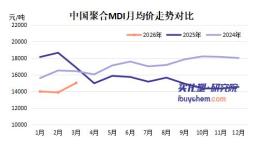
Huntsman Introduces “War Surcharge” Amid Shipping Disruption and Soaring Energy Costs, Global MDI Prices Continue to Rise
-

Overseas News Highlights: Major Reversal! Iranian Military Says It Has Not Blocked the Strait of Hormuz! BASF, Dow, Polyplastics Announce Price Hikes!
-

Futures Surge Violently, Polyolefin Spot Prices Rise Sharply in Tandem


