Key Breakthrough in Recovering Polylactic Acid From Mixed Plastic Waste: TotalEnergies and Curb Participate in Project
On September 1, 2026, Dutch time, the EU-funded project ReBioCycle announced its latest results.Polylactic acid (PLA) bioplastics can be recovered from mixed plastic waste and reprocessed into recycled PLA with quality comparable to that of virgin material.TotalEnergies Corbion participated in the project as an industrial partner, responsible for a key link in the recycling chain—repolymerizing recovered lactic acid into high-quality polylactic acid.
The project confirmed that usingExisting sorting technologiesPolylactic acid can be effectively separated from mixed waste streams, then chemically depolymerized back into lactic acid monomers, and finally repolymerized into high-quality polylactic acid with performance identical to that of virgin material.
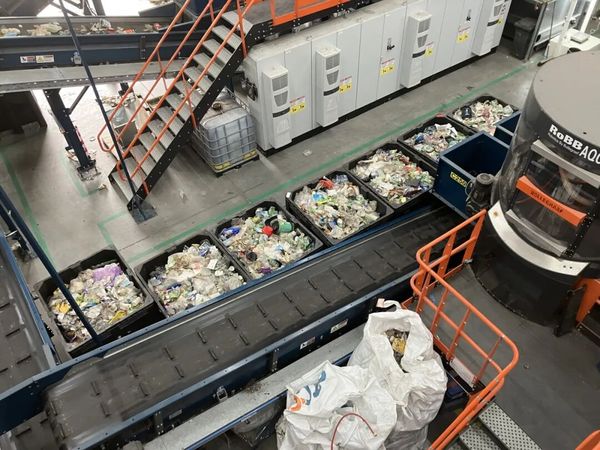
Feed material to be sorted
This conclusion may sound straightforward, but its significance lies in the fact that previous polylactic acid (PLA) recycling efforts have mostly remained at the laboratory stage, using pure raw materials under controlled conditions.This time, the project team used real mixed waste plastics, and the equipment was also from existing recycling plants.In other words, polylactic acid (PLA) recycling is no longer just theoretically feasible but has truly begun to meet the conditions for industrialization.
How is this recycling path implemented?The ReBioCycle project collaborates with industrial partners such as Torwash and TotalEnergies Corbion to first separate polylactic acid (PLA) from mixed waste using existing sorting technologies, achieving the purity required for subsequent processing. The separated PLA is then broken down into its basic monomer, lactic acid, via Torwash’s hydrolysis technology. Finally, TotalEnergies Corbion completes the repolymerization process, converting the recycled lactic acid back into PLA with performance equivalent to that of virgin material.
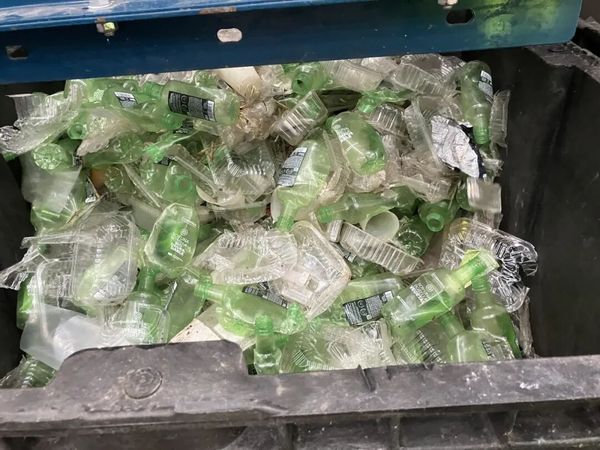
Sorted polylactic acid products
Sorting, depolymerization, and repolymerization are three interlinked steps that transform waste back into raw materials, forming a complete cycle. This means that high-quality recovery of polylactic acid from mixed waste has moved from vision to reality.
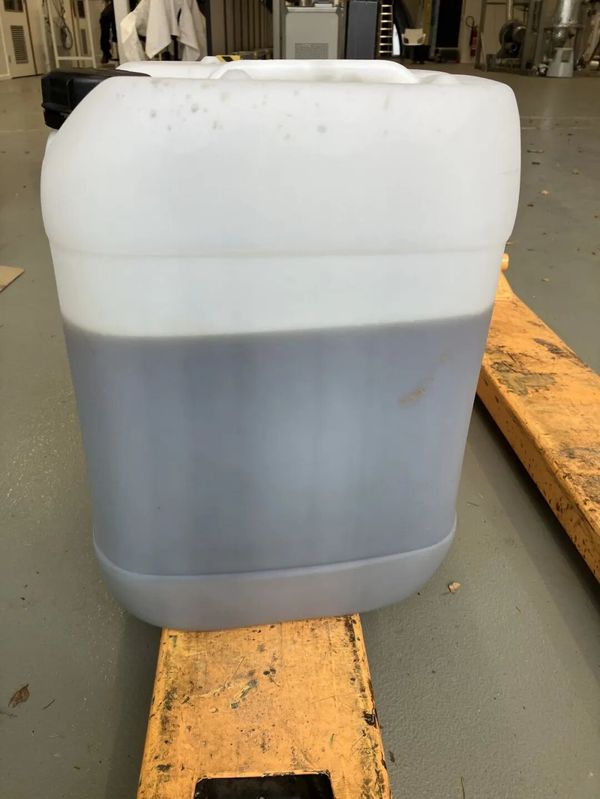
Container with lactic acid monomer
It is worth mentioning that the aforementioned sorting process has already beenValidated in a pilot-scale, real-world operational environment.This demonstrates the technical feasibility of polylactic acid (PLA) recycling beyond the laboratory setting. It provides a practical pathway for integrating bioplastics into existing waste management and recycling systems, which is particularly significant in light of the EU’s Packaging and Packaging Waste Regulation (PPWR), which mandates that all packaging must be recyclable by 2030.
Maelenn Ravard, Sustainability and Regulatory Affairs Manager at TotalEnergies Corbion, stated: “Demonstrating that polylactic acid can be recovered from mixed waste and converted into high-quality materials is key to achieving the PPWR’s objectives regardingPackaging RecyclabilityA crucial step toward the goal. The key to realizing a circular economy lies in building a robust value chain, which is precisely the strength of the ReBioCycle project consortium.
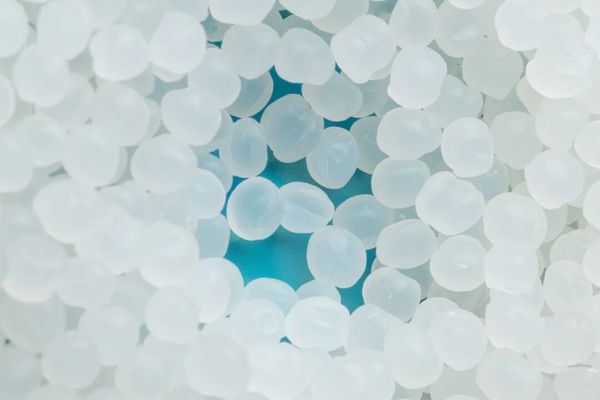
Luminy® PLA bioplastic pellets
Kevin O'Connor, Project Coordinator and Professor at University College Dublin, also emphasized: “The entire value chain has been integrated, and the circular economy has truly entered the industrial level.”This solution not only helps companies meet compliance standards but also drives the industry to gradually reduce its reliance on fossil-based raw materials and transition toward bio-based materials.。”
The packaging industry is facing increasing pressure to transition toward sustainability, and the results of the ReBioCycle project come at just the right time—demonstrating with concrete data that bio-based plastics can play a central role in the circular economy. More importantly,The technologies adopted by the project can be integrated into existing recycling infrastructure without the need to build from scratch, significantly lowering the barrier to promotion.It also provides strong support for the advancement of the European Green Deal and the EU Bioeconomy Strategy.
Moving forward, the project’s focus will shift from technical validation to market implementation. On one hand, we will develop and validate new application scenarios for recycled polylactic acid (PLA); on the other, we will continue to advance technological iterations toward large-scale mass production. By transitioning from feasibility verification to commercialization, the ReBioCycle project has established a viable pathway for the circular utilization of bio-based materials.
【Copyright and Disclaimer】This article is the property of PlastMatch. For business cooperation, media interviews, article reprints, or suggestions, please call the PlastMatch customer service hotline at +86-18030158354 or via email at service@zhuansushijie.com. The information and data provided by PlastMatch are for reference only and do not constitute direct advice for client decision-making. Any decisions made by clients based on such information and data, and all resulting direct or indirect losses and legal consequences, shall be borne by the clients themselves and are unrelated to PlastMatch. Unauthorized reprinting is strictly prohibited.