



Impact of Iran War on Global Toy Industry
Although the conflict in Iran is not directly targeting the toy industry, its wide-ranging impact on global transportation routes and energy markets is profoundly affecting the toy sector through complex supply chain networks. Here is a comprehensive analysis of how this conflict is impacting the toy industry.
I. Global Shipping Disruption: Rising Freight Costs and Increased Delays
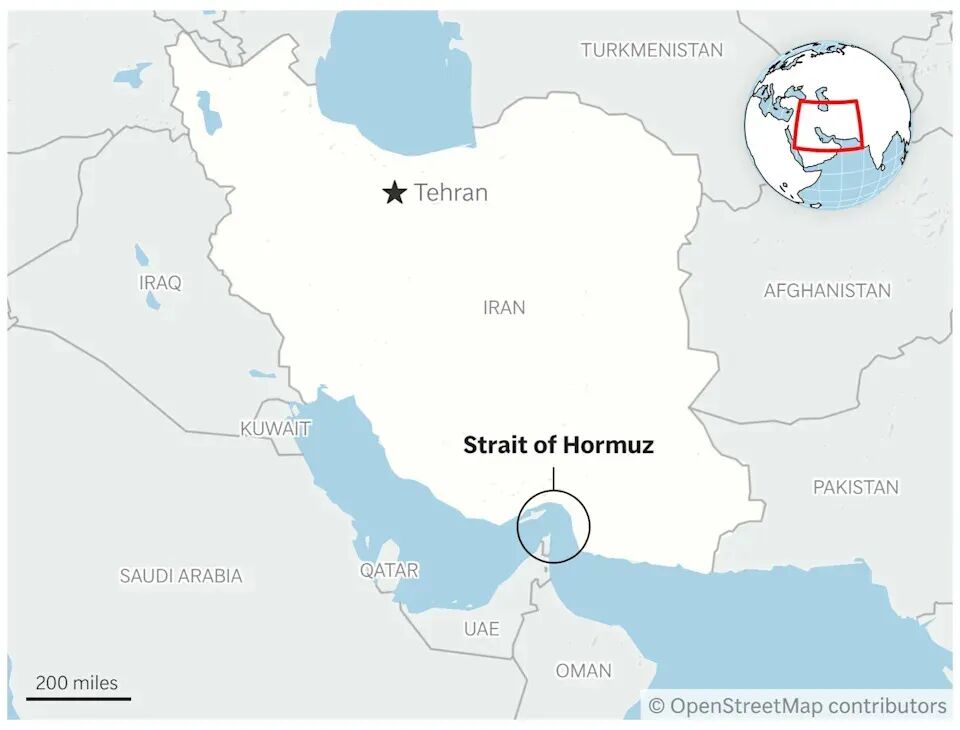
The Iranian conflict has effectively blocked normal traffic through one of the world's most important maritime chokepoints, the Strait of Hormuz. In response, major shipping companies have been forced to take avoidance measures:
Route diversion: The cargo ship was forced to circumnavigate the Cape of Good Hope in southern Africa, avoiding hazardous areas such as the Red Sea and the Suez Canal.
Air transport restrictions: Some flights are suspended or rerouted to avoid Middle Eastern airspace
Surcharge increased: Carriers start to charge war risk surcharge.
For a toy industry heavily reliant on international transportation, this means significantly extended shipping times, sharply increased freight and insurance rates, and bottlenecks at ports and distribution centers. For example, Nintendo's "Switch 2" gaming consoles shipped from Asia (China, Vietnam, Malaysia) to Europe are expected to face delivery delays of more than ten days, with the cost of a single voyage increasing by approximately 60%.
These factors have increased the cost and uncertainty of products moving from the factory to the retail shelf, similar to the supply chain disruptions during the pandemic.
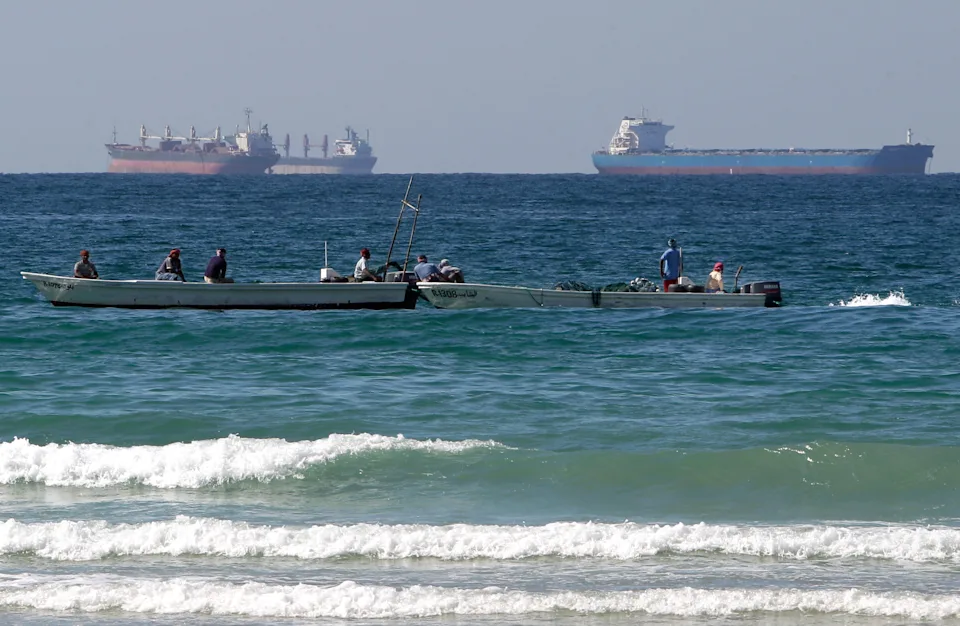
2. Rising Oil and Energy Costs: Increased Production Costs
Iran, as a major exporter of crude oil and natural gas, has seen its conflicts directly push up international oil prices. Rising energy costs trigger a chain reaction through the following channels:
Raw materials level: Plastic resins and petrochemical raw materials - used to manufacture most toys - prices are rising.
Production level: Increased energy costs (factory gas/electricity) in manufacturing
Transportation level: Fuel costs for trucks, trains, and ships are rising.
Rising energy costs typically translate into higher production costs for toys, especially plastic toys and any products requiring high-energy manufacturing. When oil prices remain elevated due to ongoing conflicts—such as approaching $100 per barrel—transportation and production costs across the entire economy increase.
III. The Cascading Impact of the Supply Chain on Raw Materials
Many toy raw materials are closely linked to the oil and petrochemical markets, including:
Plastic pellets
Cardboard paper
Various Additives
The Iran conflict has disrupted the naphtha and petrochemical supply chain, leading to rising prices for plastic pellets and components, shortages or delays in intermediate material supplies, and consequently squeezing profit margins for toy manufacturers. Such disruptions may render “just-in-time” inventory systems ineffective, causing inventory shortages and potentially empty shelves—particularly critical during the holiday sales season.
Four. A broader consumer price inflation
Broad-based inflation driven by energy, transportation, and logistics costs often pushes up prices across numerous product categories, including toys. In some markets, researchers have warned that high transportation and production costs are fueling consumer goods price increases.
Rising shipping and material costs may lead to overall economic uncertainty, likely resulting in price increases at the consumer level, ultimately borne by consumers.
V. Regional Markets and Demand Changes
Although not unique to the toy industry, conflicts can lower consumer confidence and spending in affected areas. When economic uncertainty and inflation rise, parents and families tend to postpone the purchase of non-essential items like toys, which may lead to a decline in sales in some markets.
VI. Examples from Similar Industries
Industries dependent on global supply chains (electronics, apparel, and amusement equipment) have reported shipping delays, increased transportation and energy costs, and reliance on alternative routes or suppliers. These circumstances strongly suggest that the toy industry, with its complex global supply chains and distribution networks, will face similar pressures.
Seventh, Industry Background and Additional Pressure
Stock price volatility
Uncertainties in logistics and costs have already affected major manufacturers. Concerns over the logistics costs and delivery delays of the Switch 2 have caused Nintendo's stock to fall nearly 5%, also impacting Sony Group's stock.
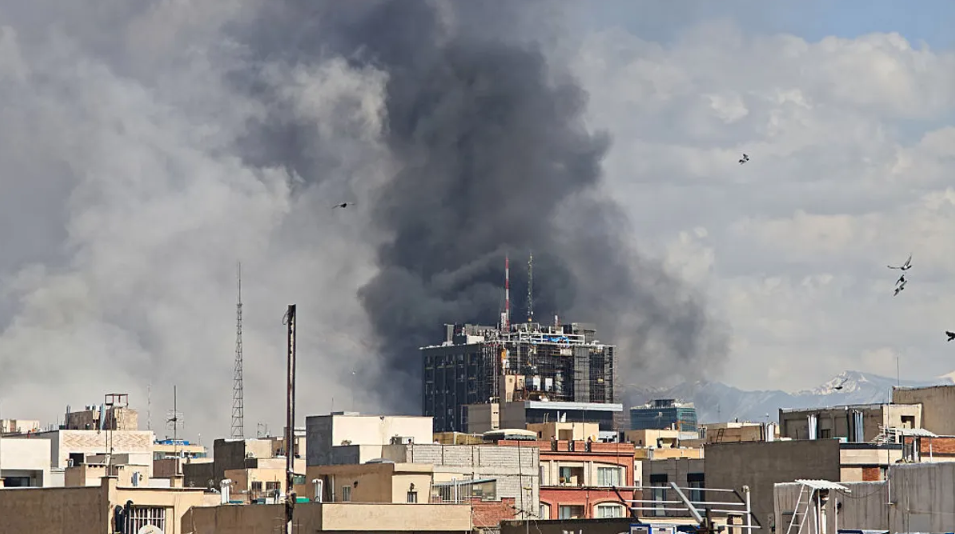
Double pressure
These companies not only face logistics issues caused by the Middle East conflict, but also bear additional cost pressures from U.S.-China trade tariffs - the U.S. toy industry is facing high tariffs on Chinese toys (up to 145%), which has already led retailers to cancel orders and manufacturers to halt production.
Manufacturing relocation
The dual pressures of trade wars and geopolitical instability are driving the toy industry to seek diversified production layouts outside China, with countries such as India emerging as potential alternatives.
Iranian domestic impact
Notably, the Iranian government has long maintained a strict stance against many Western toys, labeling them as “cultural invasion” and banning toys such as Barbie, Batman, and Spider-Man—though these remain popular domestically.
Core Summary
The Iran war did not directly target the toy industry, but its broader economic and logistics consequences have significantly affected the industry.
Freight increase and logistics delays - transportation time extended, costs surged
📦 Material and manufacturing costs increase - oil prices push up the cost of raw materials like plastic
💰 Pricing and profit margins under pressure - Manufacturers face dual cost pressures
🛍 Decrease in non-essential spending in an inflationary environment — decline in consumer confidence impacts sales
Possible corporate responses include diversifying supply routes, increasing inventory levels, or passing costs on to consumers—potentially leading to higher toy prices and slower delivery times. Industry experts note that the current situation is causing a “major disruption” to global supply chains, possibly triggering a chain reaction of supply shortages and sustained price increases.
【Copyright and Disclaimer】The above information is collected and organized by PlastMatch. The copyright belongs to the original author. This article is reprinted for the purpose of providing more information, and it does not imply that PlastMatch endorses the views expressed in the article or guarantees its accuracy. If there are any errors in the source attribution or if your legitimate rights have been infringed, please contact us, and we will promptly correct or remove the content. If other media, websites, or individuals use the aforementioned content, they must clearly indicate the original source and origin of the work and assume legal responsibility on their own.
Most Popular
-
Middle East Tensions Escalate Sharply: How Polyolefins Respond Amid Soaring Risk Premium
-
Middle East Tension Spikes Global Energy Pattern, Crude Oil and Plastic Industries Face Multiple Challenges
-

Middle East Polymer Export Hub Hit in Sudden Attack, Global Supply Chain Sounds Alarm
-

[Forward-Looking Analysis] Impact of Escalating U.S.-Iran Tensions on Domestic Chemical Market
-

Futures Surge Violently, Polyolefin Spot Prices Rise Sharply in Tandem


