



260 Million Yuan! Nantong to Build Polylactic Acid (PLA) Bio-Based Automotive and Household Air-Conditioning Filter Project
March 9,Nantong Jiajun Biomedical Materials Co., Ltd.Project Announcement for Bio-based Material Products (Including Automotive and Household Air Conditioning Filters)
A total investment of RMB 26 million is planned to procure automatic mixing machines, parallel twin-screw extruders, melt-blown fabric extruders/reelers and other auxiliary equipment, edge-folding machines, and edge-trimming machines, for the construction of a biobased material products project (including automotive and household air-conditioning filters), with an expected annual production capacity of 4,000 tons of automotive and household air-conditioning filters.
The project core involves the modification and processing of biodegradable resins (such as PLA, CA, PBS, all of which are new materials) to reduce the reliance on fossil energy from the source. The design of the special material formula and process aims to balance processing performance, product mechanical properties, and final environmental degradability. The technical approach aligns with the international development trend of biobased and degradable materials. The biobased nonwoven fabric produced can ultimately degrade into carbon dioxide and water under specific environmental conditions, significantly reducing the "white pollution" and long-term residue risks in soil and oceans caused by traditional plastic products.
Product Solution of This Project
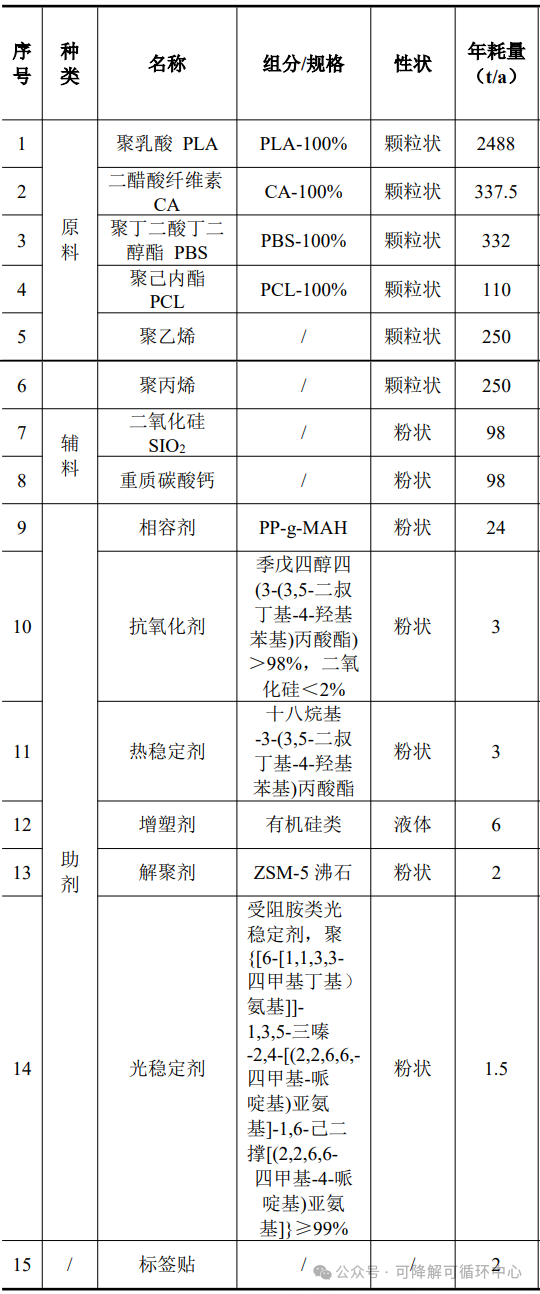
Main raw and auxiliary materials of this project
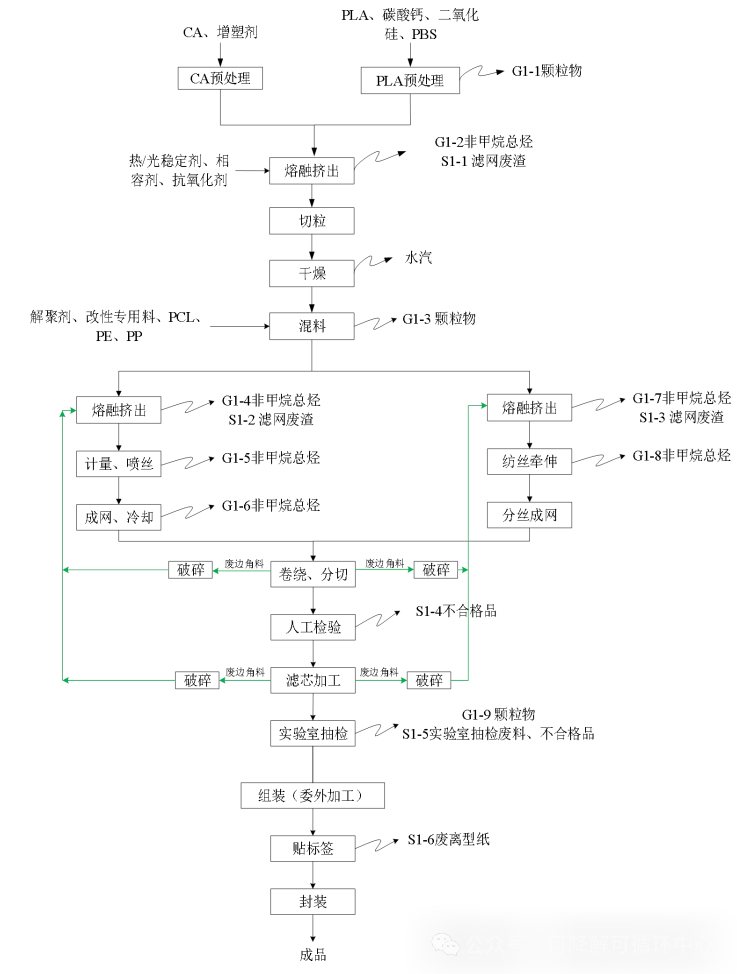
Production Process
CA/PLA pretreatment – melt extrusion – pelletizing – drying – blending – meltblown fabric processing (melt extrusion – metering, spinning – web formation and cooling) or nonwoven fabric processing (melt extrusion – fiber spinning and drawing – fiber separation and web formation) – winding and slitting – manual inspection – filter element fabrication – laboratory spot check – assembly (outsourced processing) – labeling – packaging – finished product.
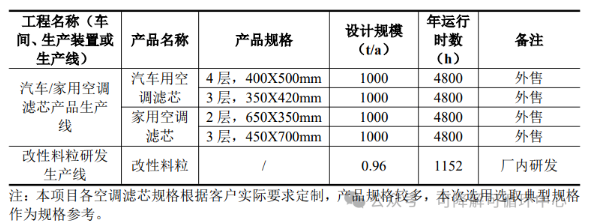
This project adds 36 employees, operates on a two-shift system, with each shift working 8 hours, and works 300 days per year, with an annual working time of 4800 hours. The development frequency of modified plastic pellets is 4 times per month, 3 days per time, operating on a single shift system, with each shift working 8 hours, and an annual working time of 1152 hours.
【Copyright and Disclaimer】The above information is collected and organized by PlastMatch. The copyright belongs to the original author. This article is reprinted for the purpose of providing more information, and it does not imply that PlastMatch endorses the views expressed in the article or guarantees its accuracy. If there are any errors in the source attribution or if your legitimate rights have been infringed, please contact us, and we will promptly correct or remove the content. If other media, websites, or individuals use the aforementioned content, they must clearly indicate the original source and origin of the work and assume legal responsibility on their own.
Most Popular
-
Middle East Tensions Escalate Sharply: How Polyolefins Respond Amid Soaring Risk Premium
-

Middle East Polymer Export Hub Hit in Sudden Attack, Global Supply Chain Sounds Alarm
-
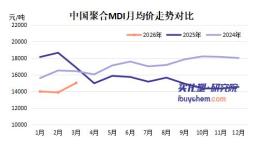
Huntsman Introduces “War Surcharge” Amid Shipping Disruption and Soaring Energy Costs, Global MDI Prices Continue to Rise
-

Overseas News Highlights: Major Reversal! Iranian Military Says It Has Not Blocked the Strait of Hormuz! BASF, Dow, Polyplastics Announce Price Hikes!
-

Futures Surge Violently, Polyolefin Spot Prices Rise Sharply in Tandem


