2026 Rubber & Plastics Exhibition On-Site Report | Covestro TPU Material Solutions Drive Robot Evolution in the AI Era

2026 is widely regarded by the industry as the inaugural year for the industrialization and large-scale deployment of humanoid robots. On the Spring Festival Gala stage, humanoid robots danced with fluid grace—not merely capable of movement, but excelling at dance—delivering a dazzling, high-profile milestone in their development under the watchful eyes of hundreds of millions of viewers. According to data from the Ministry of Industry and Information Technology (MIIT), by 2025, the number of domestic humanoid robot system integrators exceeded 140, with over 330 distinct models launched; global shipments of humanoid robots approached 20,000 units, with Chinese manufacturers commanding over 70% of the global market share.
From cleaning robots already integrated into daily life, to robotic arms widely used in automotive and 3C electronics manufacturing, and to humanoid robots expected to provide general-purpose assistance in healthcare and elderly care in the future, AI is undergoing a leap from "functional" to "biomimetic." In this evolution, materials science is becoming a critical factor determining whether robots can operate safely, reliably, and efficiently.
At CHINAPLAS 2026, Covestro showcased its comprehensive material solutions for intelligent service robots and humanoid robots. Among these, thermoplastic polyurethane (TPU) plays a critical role in key robotic components. Covestro stated that material innovation will play an increasingly important role in the evolution of robots in the AI era, and the company will continue to push the boundaries of material performance and applications through extensive collaboration across the entire value chain to empower the high-quality development of the robotics industry.
TPU is truly a versatile material for robotics applications. Whether it’s the wheels and brushes of robotic vacuum cleaners, cable sheaths and end-effectors of robotic arms, or the cushioning structures and biomimetic joints of humanoid robots, Covestro leverages TPU’s comprehensive performance—including excellent wear resistance, flexibility, low-temperature toughness, high strength, and lightweight properties—to provide forward-looking material solutions for the efficient, safe, and reliable operation of diverse robots.

Outstanding material performance enables robots to deliver efficient and durable operation. Core moving components of cleaning robots—such as wheels, main brushes, and side brushes—demand high levels of wear resistance, flexibility, and mechanical strength. Covestro’s Desmopan® IT series TPU fully meets these demanding requirements for critical moving parts in cleaning robots.
▪ Prevents deformation of the main wheels under prolonged dynamic loads and supports the robot’s climbing and obstacle-crossing on smooth surfaces with excellent silent, anti-slip performance and low-noise operation.
▪ Maintain a precise balance between rigidity and flexibility, ensuring floating conformity during high-speed friction to guarantee optimal brush cleaning performance, while also making it easier to clean when hair becomes tangled.
▪ Maintain appropriate flexibility to allow the side brush to have sufficient cleaning range without damaging furniture.
For high-humidity or even water-immersion applications—such as in gardening or pool-cleaning robots—key moving components require superior hydrolysis resistance. Covestro’s Desmopan® IT-series TPU exhibits outstanding water resistance, maintaining stable performance even after prolonged exposure to high humidity or continuous contact with water, while also offering excellent antimicrobial properties.
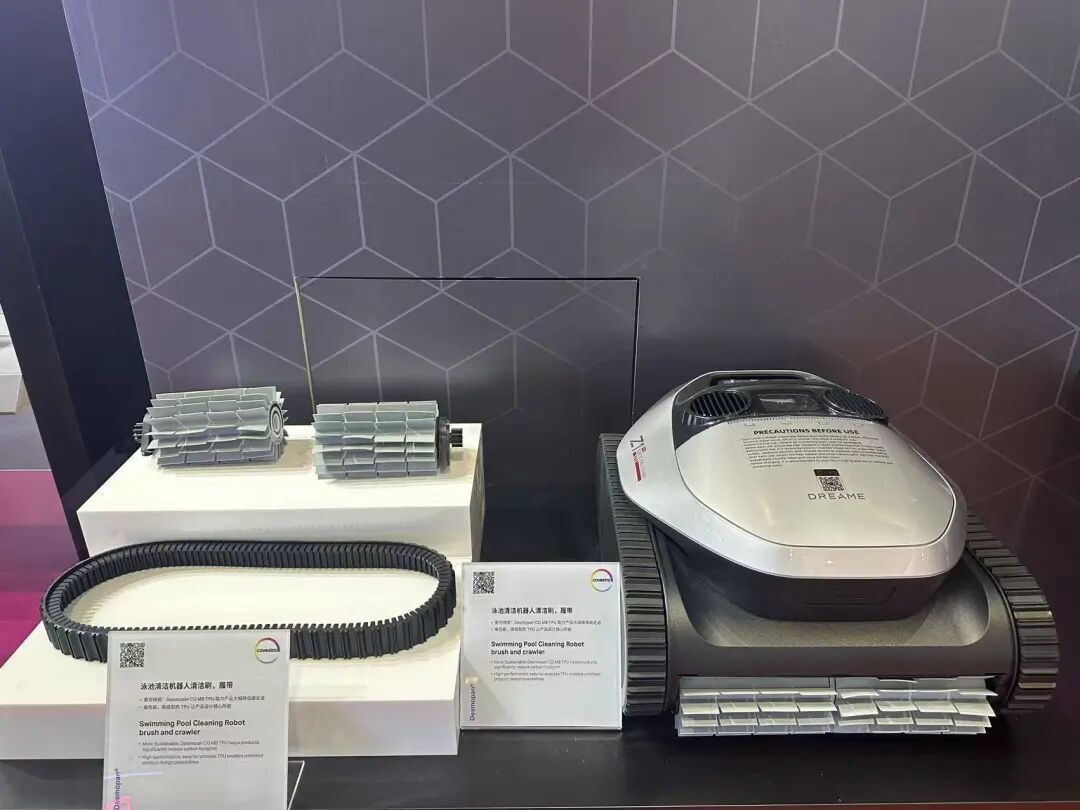

Robots have greatly improved modern production efficiency in various scenarios such as manufacturing and warehousing. Under dynamic conditions, their cable sheaths need to have sufficient flexibility and strength to ensure reliable and stable operation, and their working ends should also be adaptable to various complex operations. Covestro's Desmopan® TPU can fully meet the requirements of robot applications.
▪ The TPU cable jacket offers high flexibility and excellent fatigue resistance, remaining undamaged even after millions of bending cycles. It maintains outstanding performance in extremely cold conditions down to -40°C, features good flame retardancy and reduced smoke density for enhanced safety, and is halogen-free, making it more environmentally friendly.
▪ The flexible characteristics of the end-effector enable it to grasp, fix, and perform other actions on a broader range of objects; selectable materials also meet food-grade contact requirements. The end-effector is lighter and easier to maintain and replace.

Anthropomorphic robots, due to their bionic design, have much higher requirements for mobility and protection compared to functional robots. TPU material, with its combination of high elasticity like rubber and the high strength of engineering plastics, is considered one of the ideal materials for such applications.
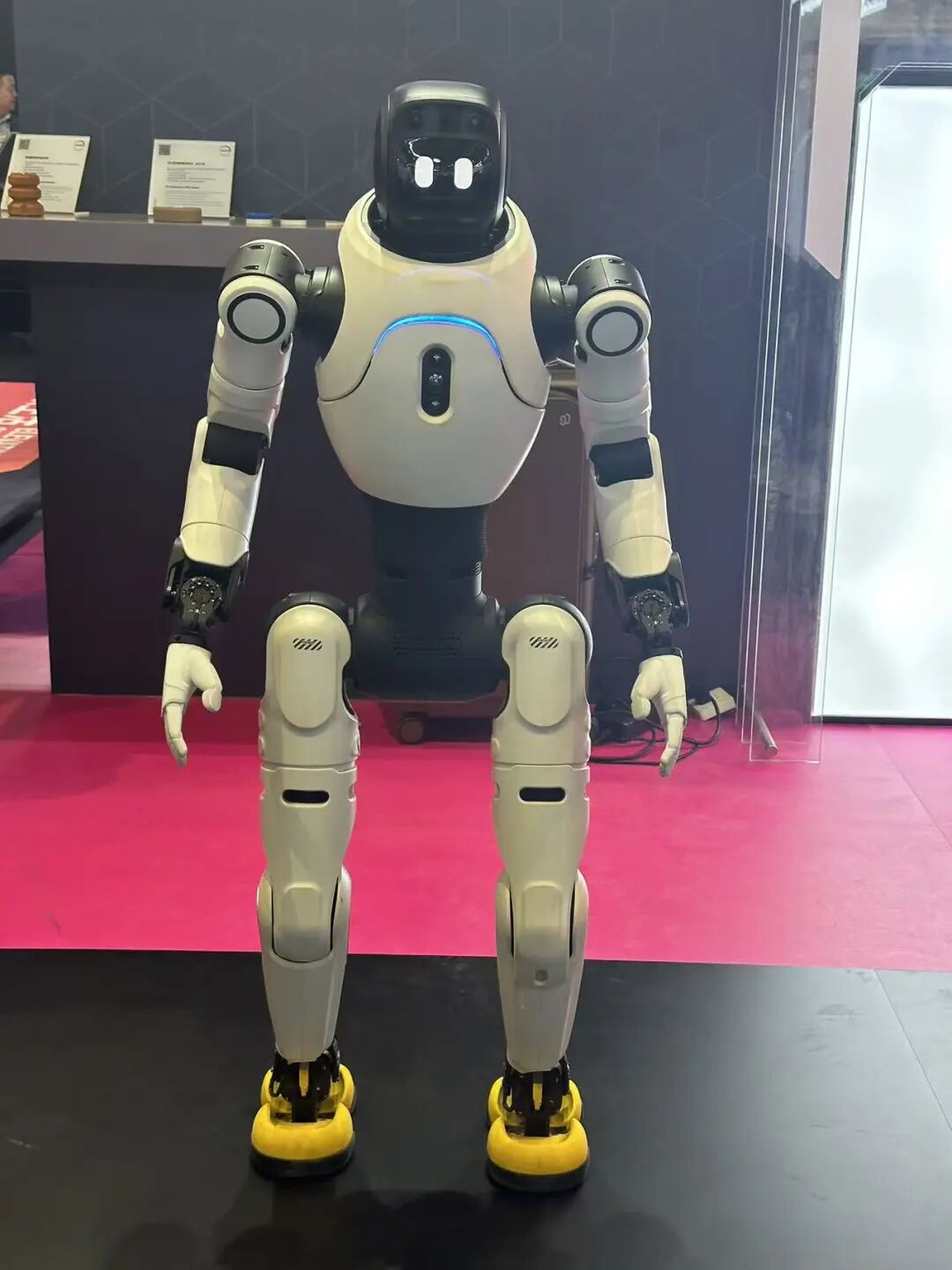
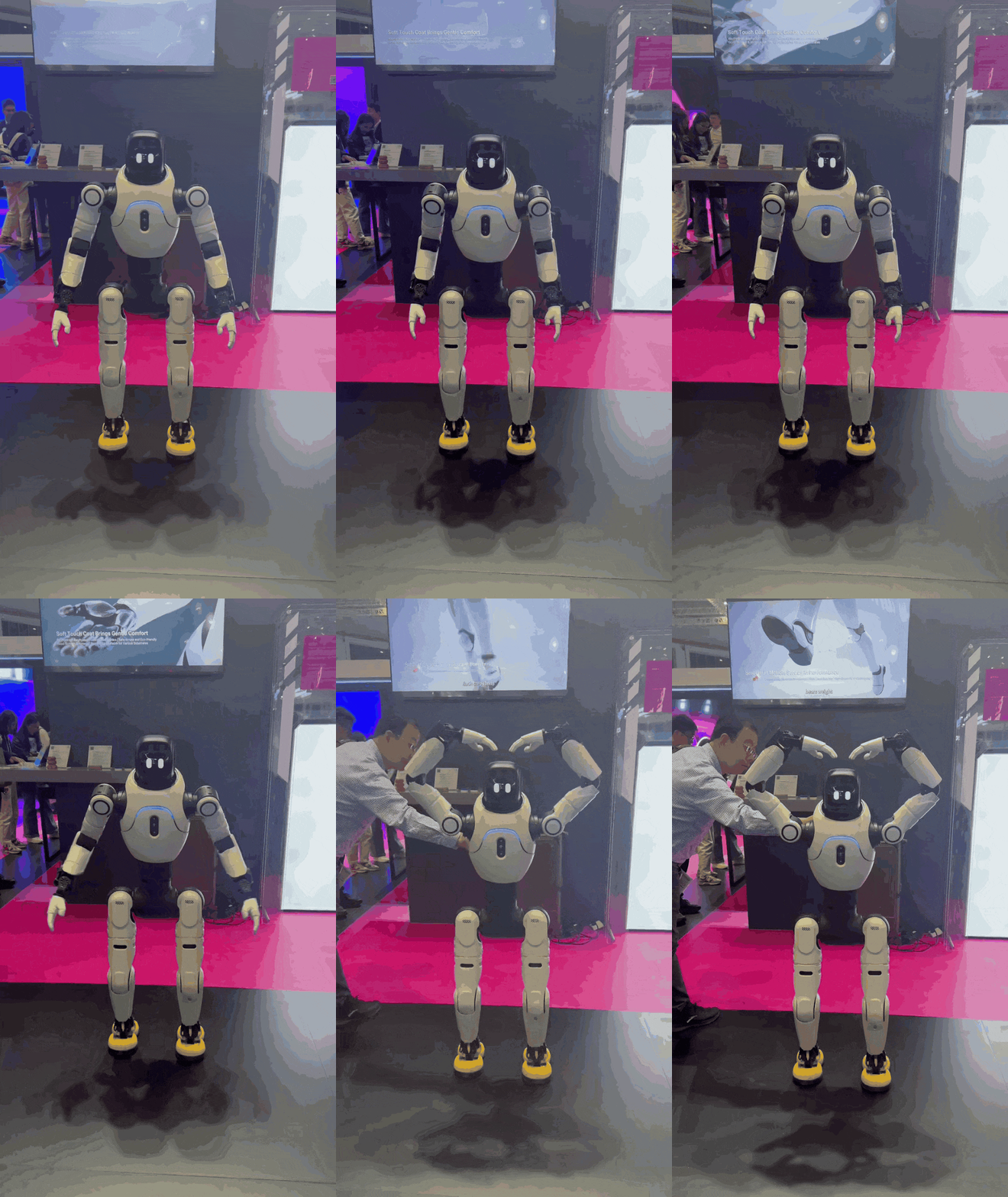
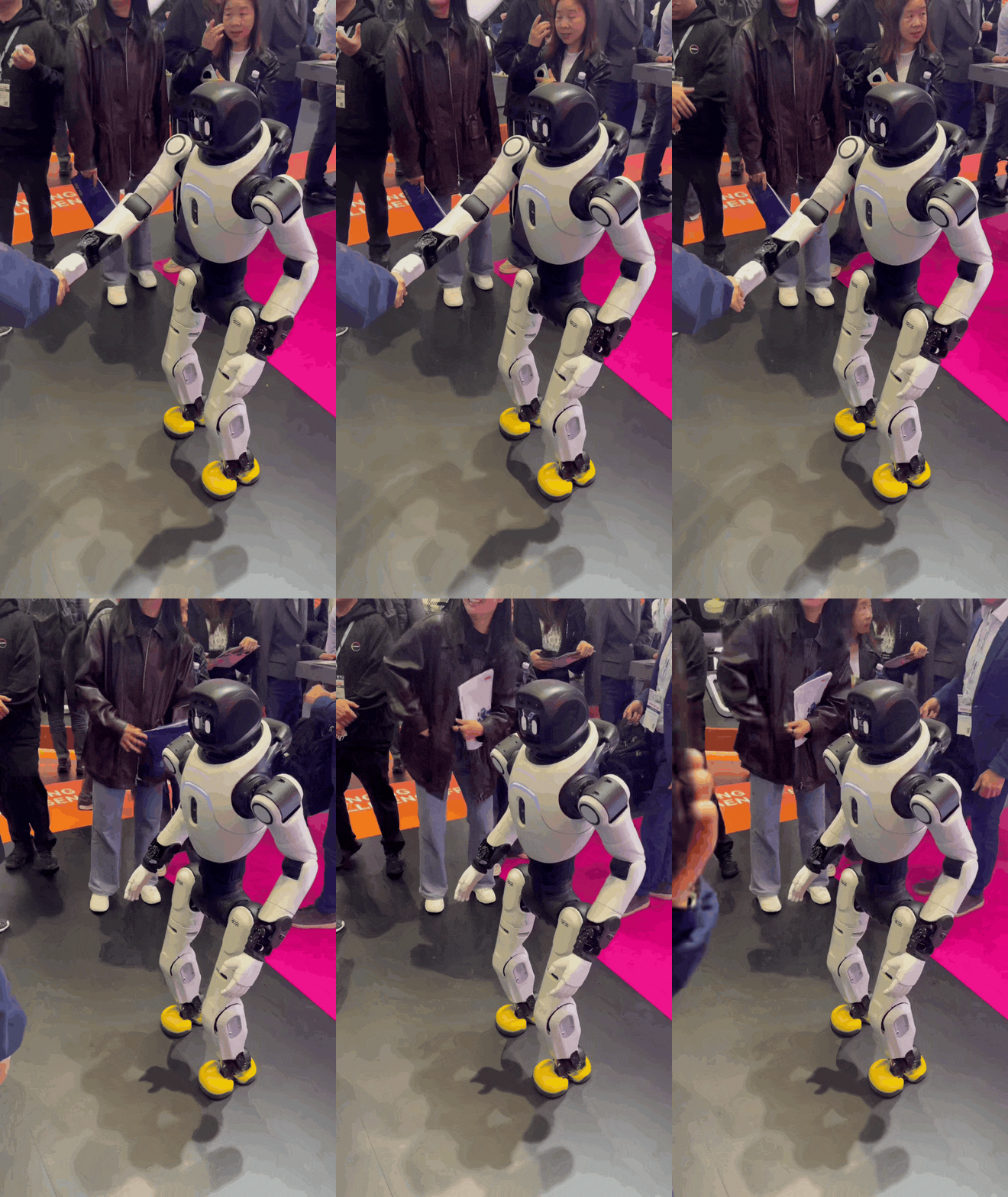
▪ Superior Protection and Shock Absorption: Humanoid robots feature complex and delicate internal components; therefore, their foot structures and cushioning components must exhibit exceptional impact resistance and energy absorption capabilities. Desmopan® FLY—specifically developed by Covestro for supercritical fluid (SCF) foaming technology—delivers outstanding shock absorption and rebound performance when used in foot structures, supporting robot weights of 70–100 kg while ensuring lightweight design and durability.
▪ Powerful movement function: The biomimetic muscle layer and joint sealing components require materials with dynamic stability and long-term reliability. Covestro's Desmopan® AIR series TPU can provide customized muscle-like shapes and offers verified product prototypes from the design stage. For the protection and sealing needs at high-frequency moving joints, Desmopan® TPU maintains sufficient flexibility, enhancing the biomimetic functionality of humanoid robots and making them more reliable and durable.
▪ Ensuring interaction safety: During human-robot interaction, the base material of robotic electronic skin must be biocompatible and lightweight to guarantee safe and comfortable interaction. Covestro’s Desmopan® IT series TPU has a density only slightly higher than water, and its weight can be significantly reduced through honeycomb or porous structures, enabling safer and more comfortable human-robot interaction.
▪ Support for stable mass production: The demand for robots is expected to further increase with the advancement of AI. Covestro’s TPU meets the process requirements for large-scale production thanks to its reprocessability and ease of injection molding, while ensuring consistent material performance and supply from the raw material source.

Covestro’s TPU consistently explores eco-friendly properties through efficient resource reuse. The Desmopan® CQ sustainable TPU product series has also been included as a material option for core motion components in future robots. Utilizing the mass balance approach, these products can contain 10–15.4% ISCC Plus-certified renewable biomass raw materials, delivering performance on par with conventional petroleum-based materials—effectively reducing carbon emissions and achieving enhanced sustainability.
【Copyright and Disclaimer】The above information is collected and organized by PlastMatch. The copyright belongs to the original author. This article is reprinted for the purpose of providing more information, and it does not imply that PlastMatch endorses the views expressed in the article or guarantees its accuracy. If there are any errors in the source attribution or if your legitimate rights have been infringed, please contact us, and we will promptly correct or remove the content. If other media, websites, or individuals use the aforementioned content, they must clearly indicate the original source and origin of the work and assume legal responsibility on their own.
Most Popular
-
From Compliance to Competitiveness: Alpla’s Circular Design and Recycling Practices Driven by PPWR
-
Overseas News: PPG Announces Global 20% Price Increase; Sika Launches High-Performance Polyamide (PA) New Product; AIP Announces Nearly $10 Billion Acquisition
-

Driving Intelligent Upgrades In Rubber And Plastics Industry! Preview Of Concurrent Activities At Chinaplas 2026 International Rubber & Plastics Exhibition (Part 2)
-
BASF Delivers First Batch of Innovative Cathode Materials for Semi-Solid-State Batteries to Weilan New Energy
-
Regional Market Price: HDPE Rises Less Than Falls! Main Areas HDPE Price Changes Across China on April 16