



Solid-State Batteries Pursue Multiple Paths in Parallel, Safety Is the Prerequisite for Everything
"Solid-state batteries have multiple pathways, including sulfides, oxides, polymers, and halides, each with its own characteristics. Currently, there is no clear advantage or disadvantage among them, but there is still a long way to go from materials to processes, equipment, and products," said Liang Rui, Vice President and Chief Sustainability Officer of Xinwanda. He noted that there is still significant room for improvement in the safety of electric vehicle batteries, and the development of solid-state batteries must focus on enhancing energy density while ensuring safety.
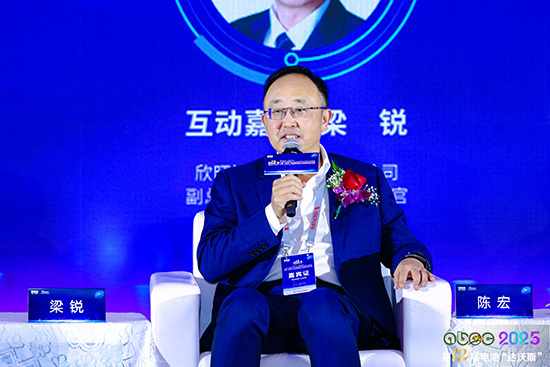
On November 11, the 12th China (Suzhou) International Summit Forum on Battery and New Energy Industry, themed "Seeking Innovation and Adaptability to Reshape Value," was officially held. At the forum, industry experts and company executives discussed the current status and future development trends of solid-state batteries.
The market has broad prospects but also faces challenges.
In recent years, with the continuous growth of market demand, all-solid-state batteries have become highly sought after in the market. Some organizations predict that all-solid-state batteries are expected to achieve small-scale vehicle installation by 2027, and after the relevant technologies mature and mass production reduces costs, large-scale application will begin in 2030, with a demand reaching 156 GWh, of which more than 50% will be accounted for by new energy vehicles.
Li Congxi, President of the R&D System and Director of the Central Research Institute of Ningbo Ronbay New Energy Technology Co., Ltd., stated that solid-state batteries, with their significant advantages of high safety, high energy density, long cycle life, and wide temperature range applications, are widely used in electric aircraft, eVTOL low-altitude vehicles, and power batteries. The market prospects are broad, and they are expected to become a key force in driving the development of related industries.
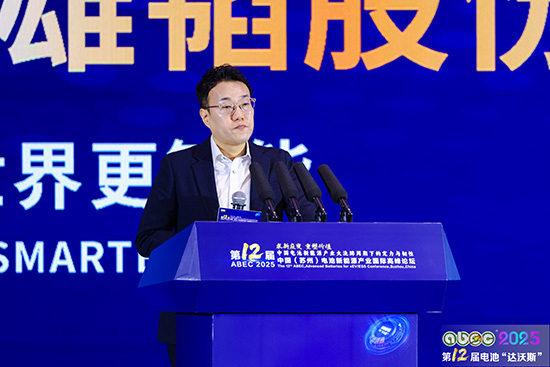
Zhang Tao, a researcher and director of the Energy Center at the Shanghai Institute of Ceramics, Chinese Academy of Sciences, added that new application scenarios have placed higher demands on solid-state batteries because they offer higher energy density and safety, while their relatively low price sensitivity may lead to faster development in the future.
"The starting point for solid-state batteries is very high, with an energy density goal of 350Wh/kg by 2025, and further development aiming for 500Wh/kg by 2035, which serves as a good example," noted Wu Fan, founder and chairman of Liyang Zhongke Gunei New Energy Technology Co., Ltd. From a technical perspective, the goal of low-cost control and stability enhancement is achieved mainly through the innovation of positive and negative electrode material systems and the optimization of solid-state electrolyte materials.
Wu Fan admitted that the future development goals of solid-state batteries are very clear, but the challenges are also significant. "Currently, the industrial chain of solid-state batteries still faces many unresolved issues and challenges, including raw material supply, large-scale synthesis of solid electrolyte materials, and process standardization."
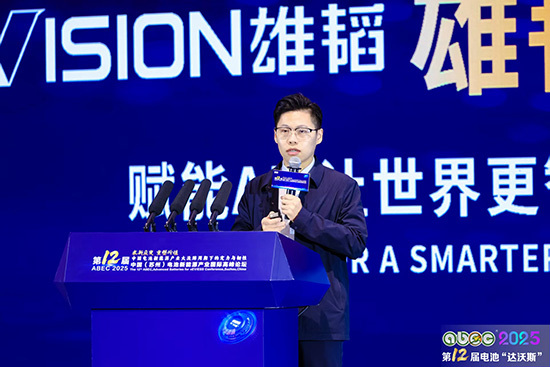
Li Congxi also believes that currently, solid electrolytes have not yet achieved industrial-scale production, and the high environmental requirements for battery manufacturing ultimately lead to high costs for solid-state batteries, which limits the industrialization process of all-solid-state batteries.
In Li Congxi's view, reducing manufacturing costs can be achieved through process optimization and improving yield; increasing the proportion of active materials will lead to a decrease in the cost of sulfide electrolytes. "As sulfide electrolytes achieve large-scale production, the cost of solid-state batteries will significantly decrease, with the BOM cost of battery cells expected to fall below 0.4 yuan/Wh by 2035."
Multi-path parallelism, safety is the first mission.
"Currently, the development path of solid-state batteries is gradually integrating into the solid-liquid hybrid or semi-solid of polymer + oxide, as well as the all-solid state of sulfide + halide. This trend of integration is still ongoing." Zhang Tao stated that solid-liquid hybrid batteries, or semi-solids, have already entered the market stage, while all-solid-state batteries are currently in the late stages of research and development.
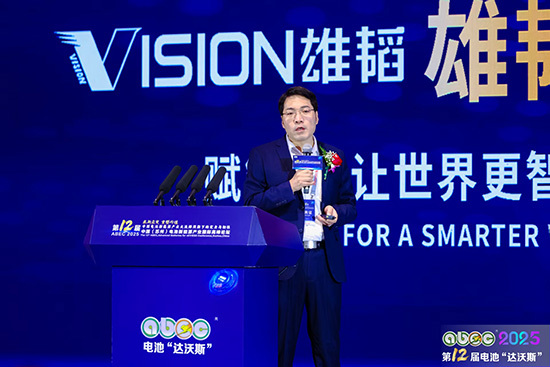
Professor and doctoral advisor Xu Lin from the State Key Laboratory of Advanced Technology for Materials Synthesis and Processing at Wuhan University of Technology also believes that among all battery systems, solid-state batteries use non-flammable solid electrolytes to replace existing flammable liquid electrolytes, theoretically offering high energy density and high safety features. Currently, electrolytes include mainstream systems such as polymers, oxides, sulfides, and halides, and it is necessary to assess during development which can simultaneously achieve high ionic conductivity and high interface stability.
In high-tech products, when new technology develops to a certain extent, it often falls into the "impossible triangle," and solid-state batteries also face a balance between performance, cost, and safety. Gao Xiang, Chairman and CTO of Chongqing Tailan New Energy Co., Ltd., stated, "But we always believe that safety is the primary mission of solid-state batteries."
Regarding the future development of solid-state batteries, Zhang Tao emphasized that in the short term, a transition through hybrid solid-liquid batteries will take place, while simultaneously validating the quality advantages of solid-state batteries in the high-end market; in the medium term, innovation through the diversified integration of materials and interfaces will aim to reduce costs to an acceptable range; in the long term, establishing a mature production system, reconstructing the industrial chain, achieving stable delivery, and ultimately completing the replacement of all-solid-state batteries while ensuring continuous upgrades and iterations.
Xu Lin suggests that we should first view solid-state batteries rationally, avoiding both exaggeration and underestimation. Secondly, the various pathways for solid-state batteries are worth developing in parallel. Thirdly, it is important to focus on original fundamental research when developing solid-state battery technology, concentrating on scientific breakthroughs from 0 to 1. Finally, solid-state batteries bring many development opportunities, allowing for the exploration and development of new types of anode and cathode materials.
【Copyright and Disclaimer】The above information is collected and organized by PlastMatch. The copyright belongs to the original author. This article is reprinted for the purpose of providing more information, and it does not imply that PlastMatch endorses the views expressed in the article or guarantees its accuracy. If there are any errors in the source attribution or if your legitimate rights have been infringed, please contact us, and we will promptly correct or remove the content. If other media, websites, or individuals use the aforementioned content, they must clearly indicate the original source and origin of the work and assume legal responsibility on their own.
Most Popular
-

At Least 44 Dead in Century-Old Fire! Questioning Hong Kong's Hong Fu Garden: Why Has the Path to Fire Resistance Taken 15 Years Without Progress?
-
Satellite chemical's profits surge! can the 26.6 billion yuan high-end new materials project meet expectations? a review of progress on four major projects
-

U.S. Appeals Court Officially Rules: Trump Tariff Unlawful and Void!
-

Estun Turns Profitable in 2025 Half-Year Report, Industrial Robot Shipments Rank First Among Domestic Brands
-
Avatr Files for IPO on HKEX, Plans to Complete Listing in Q2 2026

