Polypropylene (PP) Inventory Fluctuates, and the Market Moves Accordingly
Inventory is the core barometer for assessing the supply and demand pattern of the polypropylene market, running through the entire process of the polypropylene industry. Recently, the overall comprehensive inventory of polypropylene in China has maintained a steady trend of reduction. The inventories of the two oil types, coal chemical inventory, and intermediary inventory have all shown varying degrees of decline. Supported by multiple factors such as concentrated maintenance of domestic facilities and tight availability of spot resources, the inventories across all links have decreased, and the overall comprehensive inventory of polypropylene has entered a stage of continuous reduction.
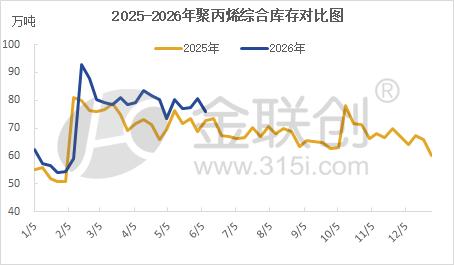
Data source: JLC
In the first half of 2026, overall polypropylene inventories generally rose before declining, followed by a sustained destocking trend. Specifically, in terms of the inventories of the two major oil companies, inventories were at a low level for the year in January. In February, affected by the Spring Festival holiday, downstream shutdowns, and logistics disruptions, inventories accumulated rapidly to reach the peak for the first half of the year. From March to May, inventories entered a destocking phase.
In terms of coal chemical inventories, in January, inventories were at a relatively low level in the first half of the year due to concentrated pre-holiday shipments from coal-based units; in February, inventories accumulated to a high level as the Spring Festival holiday, coupled with logistics disruptions and other negative factors, weighed on the market; from March to May, coal-based units such as Yanchang Yulin Energy Chemical and Shenhua Ningmei entered shutdown maintenance periods, operating rates declined, and inventories began a continuous destocking trend.
On the intermediaries’ side, polypropylene middleman inventories in the first half of the year generally fluctuated within a narrow range. In January, market supply circulation was tight, and intermediaries were cautious in building inventory, leaving stocks at a yearly low. In February, downstream resumption after the holiday was slow, leading to passive inventory accumulation in the midstream. From March to May, domestic producers underwent concentrated maintenance shutdowns, limiting spot resource circulation. Coupled with downstream plants’ bargain hunting purchases, intermediaries continued to destock, and overall supply remained tight. In June, although the upward momentum in PP prices slowed, intermediaries still maintained a low-inventory model, with inventories fluctuating slightly and no obvious accumulation overall.
In terms of port inventories, import arrivals were relatively low in January, and coupled with concentrated customs clearance and shipments ahead of the holiday, port inventories remained at a low level for the first half of the year. During the Spring Festival in February, logistics slowed, while arrivals temporarily increased, leading to an accumulation of port inventories. From March to May, domestic plant maintenance was concentrated, spot supply was tight, and export orders continued to grow, resulting in a rapid drawdown of spot cargo at ports and a continued decline in inventories. Overall, both midstream and upstream inventories as well as port inventories peaked in February and were gradually destocked from March to May. Entering June, as domestic plants resumed production intensively and downstream demand entered the traditional off-season, inventory pressure may gradually increase going forward.
In the long run, changes in China’s overall polypropylene inventory will mainly depend on the interplay among domestic plant shutdowns and restarts, market circulation of goods, and end-user demand. In the short term, maintenance-related benefits at domestic producers will support a continued decline in inventories. However, as plants that were shut down or operating at reduced rates gradually return to normal and downstream restocking slows, overall inventories are more likely to stop falling and rebound, and the market will once again face the test of inventory pressure.
【Copyright and Disclaimer】The above information is collected and organized by PlastMatch. The copyright belongs to the original author. This article is reprinted for the purpose of providing more information, and it does not imply that PlastMatch endorses the views expressed in the article or guarantees its accuracy. If there are any errors in the source attribution or if your legitimate rights have been infringed, please contact us, and we will promptly correct or remove the content. If other media, websites, or individuals use the aforementioned content, they must clearly indicate the original source and origin of the work and assume legal responsibility on their own.
Most Popular
-

A Look at the Material Suppliers Behind SpaceX
-
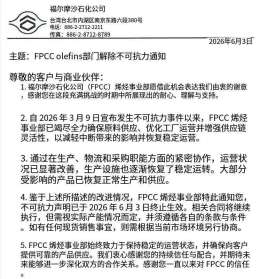
Breaking news! formosa petrochemical olefins division lifts force majeure! asia olefins supply and demand dynamics face another reversal
-
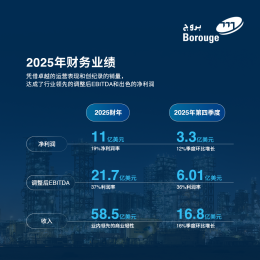
Borouge Achieves Stellar $1.1 Billion Net Profit in 2025 Driven by Operational Excellence and Record Sales
-
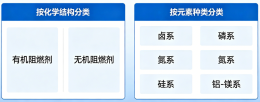
One-Time In-Depth Analysis! 25 Flame Retardants Fully Explained: Formulation, Performance, Applications
-
Breaking News! Suzhou Fuyang Chemical Explosion! Exclusive Analysis By Plastics World Of 4 Major Impacts On The Chlor-Alkali Industry Chain