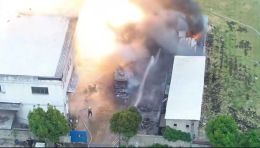
Iran's only mdi and tdi manufacturer karoon hit by israeli missile attack
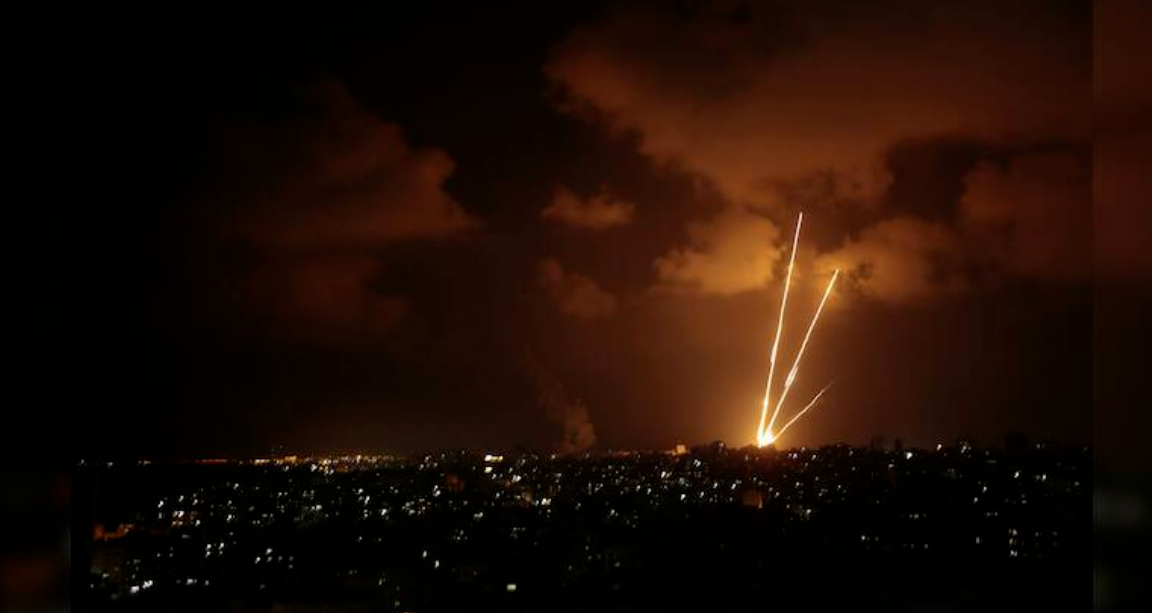
On June 8, 2026, local time, Israeli missiles struck the Karoon Petrochemical Complex in the Mahshahr Petrochemical Special Economic Zone in southwestern Iran.It caused partial damage to one of the country’s important industrial and chemical facilities. The attack did not result in any casualties, but it marked a renewed escalation in the already tense conflict between Israel and Iran, and the target was directly aimed at infrastructure closely tied to Iran’s overall economic system. Reports said that chlorine-related units and storage facilities inside the Karoon petrochemical complex were damaged.
The attack occurred at around 7:30 a.m. local time on June 8, 2026, when two missiles struck parts of the factory.After the attack, all personnel in the Mahshahr Petrochemical Economic Zone were evacuated.
It is reported that the Karoon Petrochemical Complex is operated by Karoon Petrochemical Company, which is the only domestic producer of isocyanates in Iran. Its products mainly include toluene diisocyanate (TDI) and diphenylmethane diisocyanate (MDI).These products are the chemical basic raw materials for polyurethane foams, coatings, and adhesives, and are widely used in a variety of products ranging from car seats to building insulation materials.
Karoon Petrochemical Company has a total isocyanate production capacity of 80,000 tons per year, with MDI and TDI each having a capacity of 40,000 tons per year. The company also produces other petrochemical products, such as hydrochloric acid, nitric acid, o-toluenediamine, m-toluenediamine, nitrobenzene, and aniline.
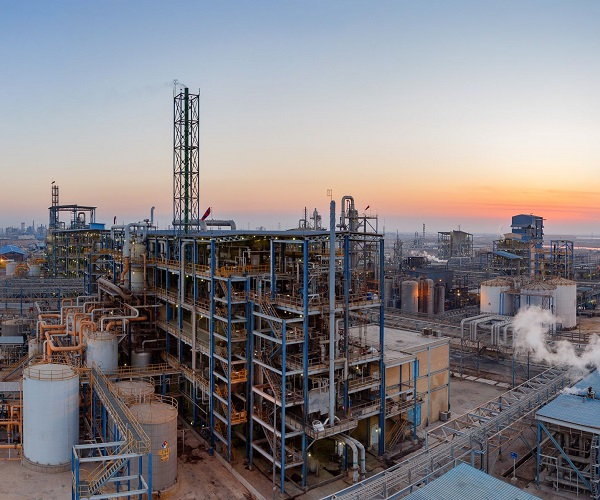
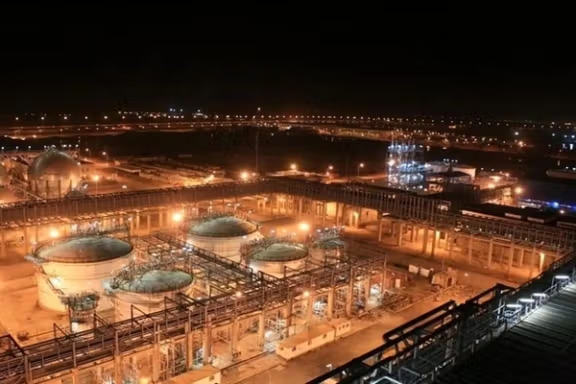
The Israeli military has also confirmed that they attacked multiple locations within the Mahshahr Petrochemical Economic Zone in Iran. Similar attacks by Israel on Iranian military and industrial facilities occurred in April 2026, and this round of attacks represents a clear escalation. Each round of attacks targets infrastructure that Israel claims is related to Iran's missile capabilities, while Iran characterizes these attacks as unwarranted aggression against civilian economic assets. The Mahshahr Petrochemical Zone is located in the oil-rich Khuzestan province in southwestern Iran, bordering Iraq.
Karoon Petrochemical Company belongs to the largest petrochemical holding group in Iran, the Persian Gulf Petrochemical Industries Company (PGPIC).
The United States imposed sanctions in 2019 on PGPIC and dozens of its affiliated companies, saying the group generated billions of dollars in revenue to fund Iran’s Islamic Revolutionary Guard Corps and Khatam al-Anbiya Central Headquarters.
According to the U.S. Treasury Department, a subsidiary of PGPIC is collaborating with the Central Command of Hatem al-Anbiya through engineering, construction, and financing contracts worth hundreds of millions of dollars. Revenue from the petrochemical industry is a significant funding source for the military activities of the Islamic Revolutionary Guard Corps in Iran.
Petrochemical facilities’ products are mainly intended for civilian use, but some products can be used for military purposes. Compounds produced in the Mahshahr Petrochemical Economic Zone and other petrochemical centers can be used as precursor materials for the production of missile propellants and other related components.
In the previous military operation targeting industrial facilities in Iran’s Mahshahr Petrochemical Special Economic Zone, Israel stated that the facilities in the area were involved in producing materials needed for Iran’s missile program.
On June 8, 2026, local time, Israeli military officials said that one of their targets was to destroy infrastructure used to produce key raw materials for ballistic missiles. The dual-use nature of petrochemical production means that the relevant facilities can support both civilian industry and the supply of materials that could potentially be used for military purposes.
Karoon Petrochemical Company is one of the most important suppliers to Iran’s civilian manufacturing sector. The company is Iran’s only producer of isocyanates, which are key raw materials used in the production of polyurethane materials. The company’s MDI and TDI products form the basis of many industrial and consumer goods, including building insulation materials, adhesives, coatings, automotive parts, footwear, furniture, and household appliances.
It is worth noting that, in addition to the missile attack on Karoon Petrochemical Company, Sadara, another major MDI and TDI producer in the Middle East, confirmed on March 31, 2026, that its integrated production complex in Jubail, Saudi Arabia, had been temporarily shut down due to ongoing supply chain disruptions. Sadara said at the time that “it is not yet possible to estimate when production will resume, and any restart will depend on developments in the domestic situation and the international situation.”
Sadara is a joint venture between Saudi Arabia’s national oil giant Saudi Aramco and U.S. chemical company Dow, and is a major producer of polyurethane raw materials in the Middle East. Sadara’s integrated production complex in Jubail, Saudi Arabia, involved an investment of approximately US$20 billion and is designed to produce about 3 million tons of plastics and specialty chemicals annually.
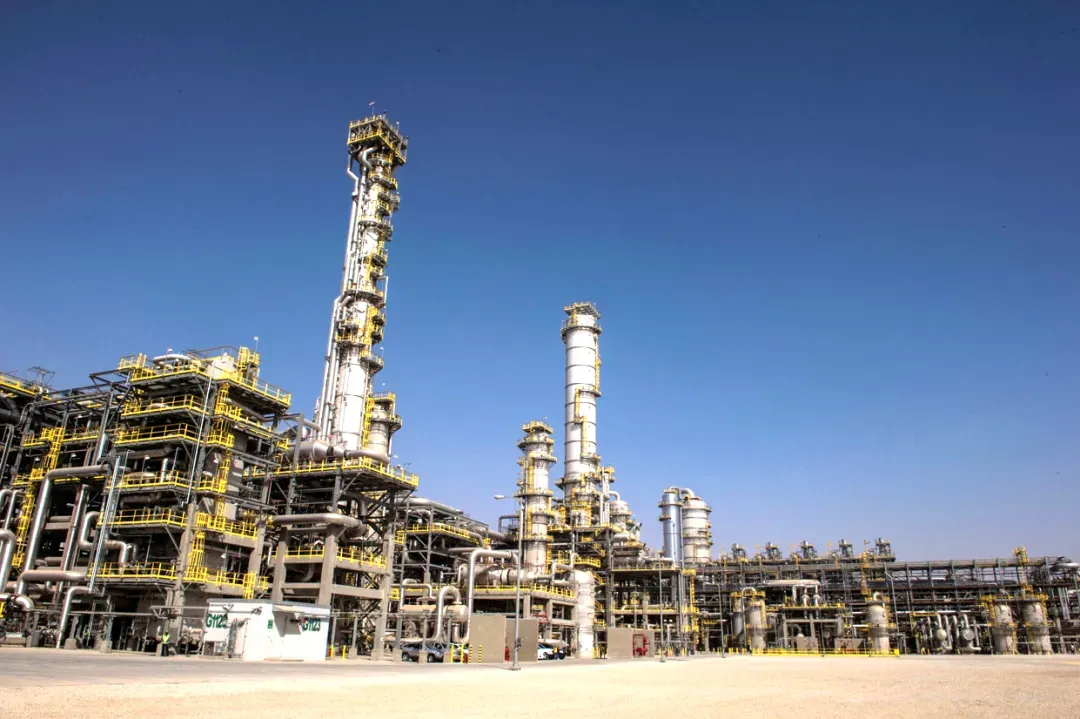
According to publicly disclosed information, Sadara's integrated production facility located in Jubail, Saudi Arabia has an annual capacity of 1.5 million tons of ethylene and 400,000 tons of propylene, along with the production of LLDPE/HDPE at 750,000 tons/year, LDPE at 350,000 tons/year, propylene oxide at 330,000 tons/year, and ethylene oxide at 360,000 tons/year, as well as polyether polyol at 400,000 tons/year. Additionally, this integrated production facility has a production capacity of 200,000 tons/year for TDI and 400,000 tons/year for MDI.
In early March 2026, Iran threatened to launch a missile strike on the petrochemical joint venture. Subsequently, in the early hours of April 7, 2026, an explosion occurred in the Jubail Industrial City in northeastern Saudi Arabia as a result of a large-scale attack.According to a statement issued by the Saudi Ministry of Defense on April 7, 2026, Saudi Arabia intercepted and destroyed seven ballistic missiles launched toward its eastern region in the early hours of the morning, but did not mention the source of the missiles. The Jubail industrial area was attacked, making the future resumption of production and supply at the Sadara integrated production facility even more uncertain.
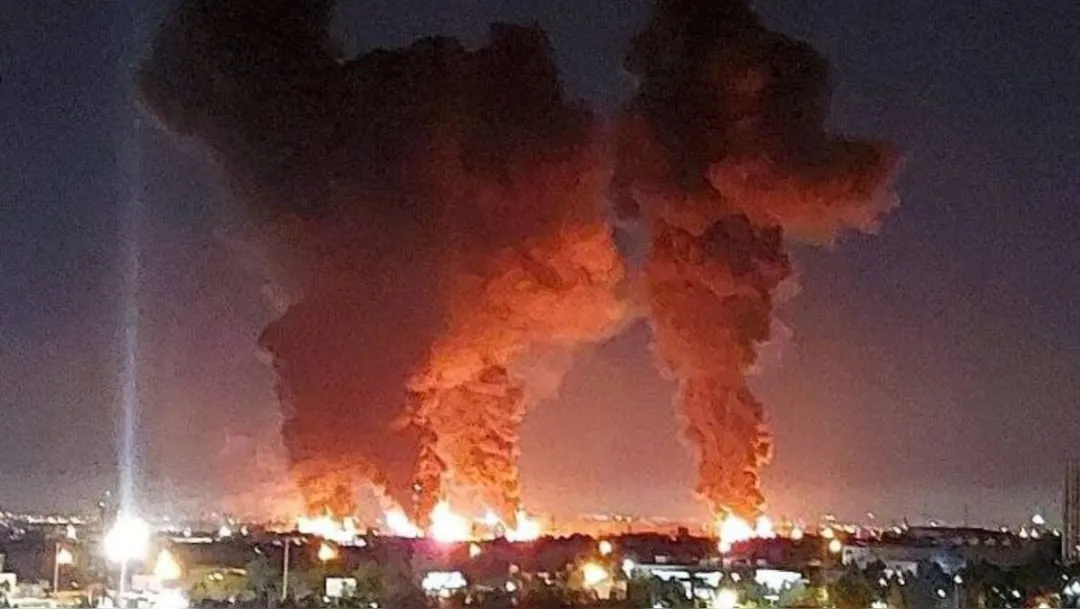
Since the outbreak of the U.S.-Israel-Iran geopolitical conflict, large petrochemical complexes have gradually become important targets. Petrochemical production facilities such as those operated by Karoon Petrochemical Company and Sadara support local industrial self-sufficiency, exports, and employment. Yet during wartime conflicts, the areas where these large petrochemical complexes are located are considered to have close financial ties to military activities and to be engaged in the production of dual-use materials.
The Karoon petrochemical complex has come under missile attack, and with the Sadara integrated production base still shut down, this means that MDI and TDI production in the Middle East has been almost completely paralyzed.
【Copyright and Disclaimer】The above information is collected and organized by PlastMatch. The copyright belongs to the original author. This article is reprinted for the purpose of providing more information, and it does not imply that PlastMatch endorses the views expressed in the article or guarantees its accuracy. If there are any errors in the source attribution or if your legitimate rights have been infringed, please contact us, and we will promptly correct or remove the content. If other media, websites, or individuals use the aforementioned content, they must clearly indicate the original source and origin of the work and assume legal responsibility on their own.
Most Popular
-

A Look at the Material Suppliers Behind SpaceX
-
Breaking news! formosa petrochemical olefins division lifts force majeure! asia olefins supply and demand dynamics face another reversal
-
Borouge Achieves Stellar $1.1 Billion Net Profit in 2025 Driven by Operational Excellence and Record Sales
-
One-Time In-Depth Analysis! 25 Flame Retardants Fully Explained: Formulation, Performance, Applications
-
Breaking News! Suzhou Fuyang Chemical Explosion! Exclusive Analysis By Plastics World Of 4 Major Impacts On The Chlor-Alkali Industry Chain